South Africans can finally relax as Stage 2 loadshedding has been officially suspended. This represents an important achievement in the country’s efforts to stabilize electricity supply. The energy crisis has affected millions of people across the nation for a long time. The situation is improving with 2730MW expected to return by December 29. This development brings hope that things are getting better. Eskom has been working hard to restore power capacity. This recent progress shows their dedication to improving electricity supply in South Africa. The nation now anticipates more reliable power conditions. The priority is to make sure these improvements last over time.
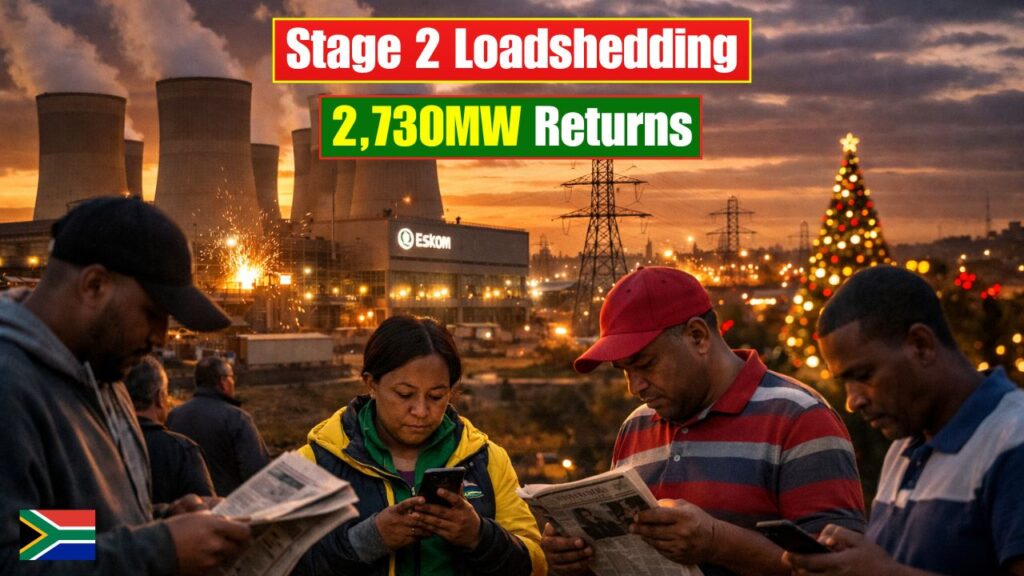
Understanding the Suspension of Loadshedding
The suspension of Stage 2 loadshedding represents a strategic move to reduce pressure on households and businesses across South Africa. Loadshedding, which is used as a controlled mechanism to protect the national grid from total collapse, has long disrupted daily life and economic activity. The current pause highlights Eskom’s improved ability to manage generation resources, supported by better maintenance planning and the completion of essential repairs. This relief is expected to stimulate economic operations by allowing businesses to function without the constant risk of power interruptions. At the household level, it offers welcome stability, reducing the need to plan daily routines around outage schedules. Eskom continues to closely monitor grid conditions and remains ready to adjust operations to maintain overall system stability.
Improved Operational Factors Behind the Suspension
– Improved power generation capacity

– Completion of critical maintenance work
– Enhanced grid management strategies
The Return of 2,730MW: What It Means for South Africa
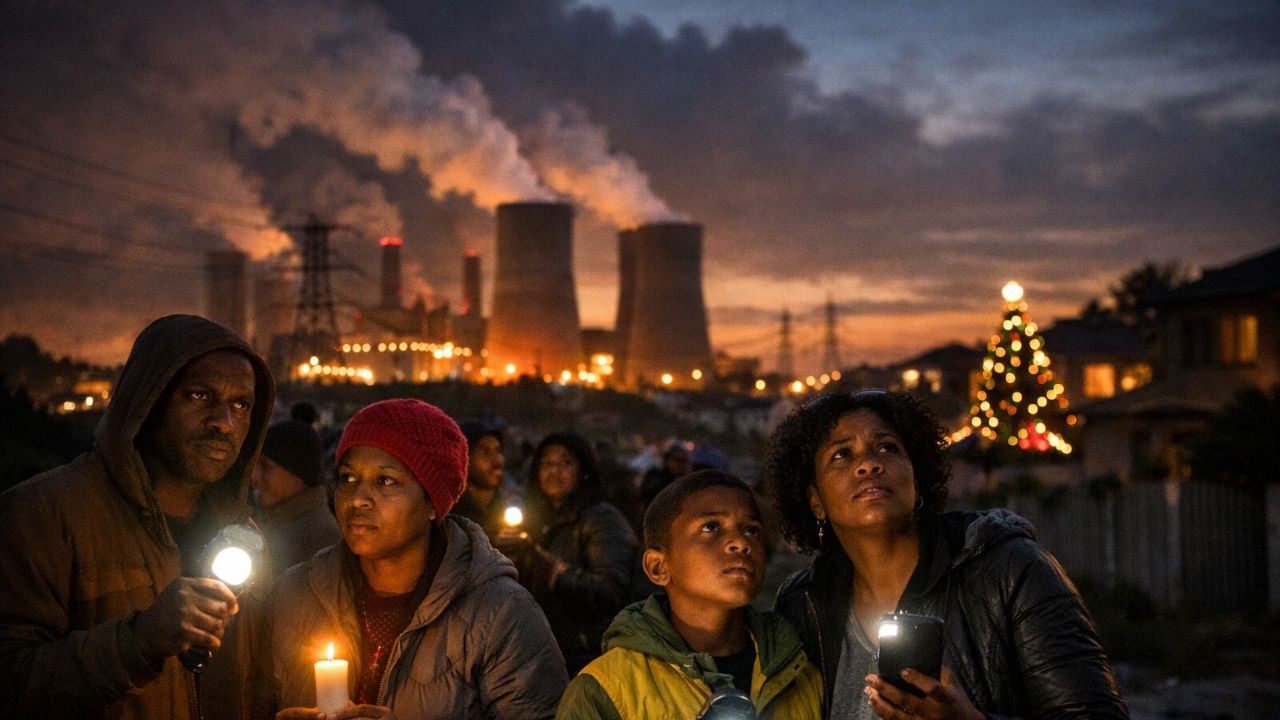
The expected return of 2,730MW to the national grid by December 29 marks a significant milestone for South Africa’s energy sector. This restored capacity is projected to strengthen supply reliability and reduce both the frequency and severity of loadshedding. For many South Africans, it signals progress toward a future with fewer power disruptions. This achievement follows extensive planning, infrastructure investment, and the successful execution of upgrades at key power stations. It also reinforces the importance of ongoing investment in renewable energy as part of a broader plan to diversify the energy mix and secure long-term energy sustainability.
Power Stations Contributing to Restored Capacity
| Power Station | Capacity Restored (MW) | Completion Date | Status |
|---|---|---|---|
| Kusile | 800 | December 15 | Operational |
| Medupi | 930 | December 20 | Operational |
| Arnot | 500 | December 25 | Operational |
Challenges in Restoring Power Capacity
Despite the positive developments surrounding the suspension of loadshedding and the return of additional capacity, South Africa’s power sector continues to face major challenges. Aging infrastructure remains a key concern, alongside persistent financial constraints that limit Eskom’s ability to maintain and expand facilities. The shift toward renewable energy, while progressing, requires substantial funding and a consistent policy framework to ensure long-term success. Addressing these structural and financial challenges is essential to achieving a reliable electricity supply that supports economic growth and national development objectives.
– Financial constraints and rising debt levels
– Aging and unreliable infrastructure
– Complex transition to renewable energy sources
Sustainable Energy Solutions: A Future Outlook
Sustainable energy development is central to South Africa’s long-term energy planning. As global trends move toward cleaner power generation, the country is increasingly investing in renewable sources such as solar and wind. These projects help lower carbon emissions while diversifying the national energy mix, improving grid resilience. Government-led initiatives, combined with private-sector partnerships, play a critical role in expanding renewable capacity by providing funding, technical expertise, and innovation needed to scale these solutions effectively.

Renewable Energy Capacity Projections
| Energy Source | Current Capacity (MW) | Projected Capacity (MW) | Completion Year |
|---|---|---|---|
| Solar | 2,000 | 5,000 | 2025 |
| Wind | 1,500 | 4,000 | 2026 |
| Hydro | 800 | 1,500 | 2027 |
Community Impact of Loadshedding Suspension
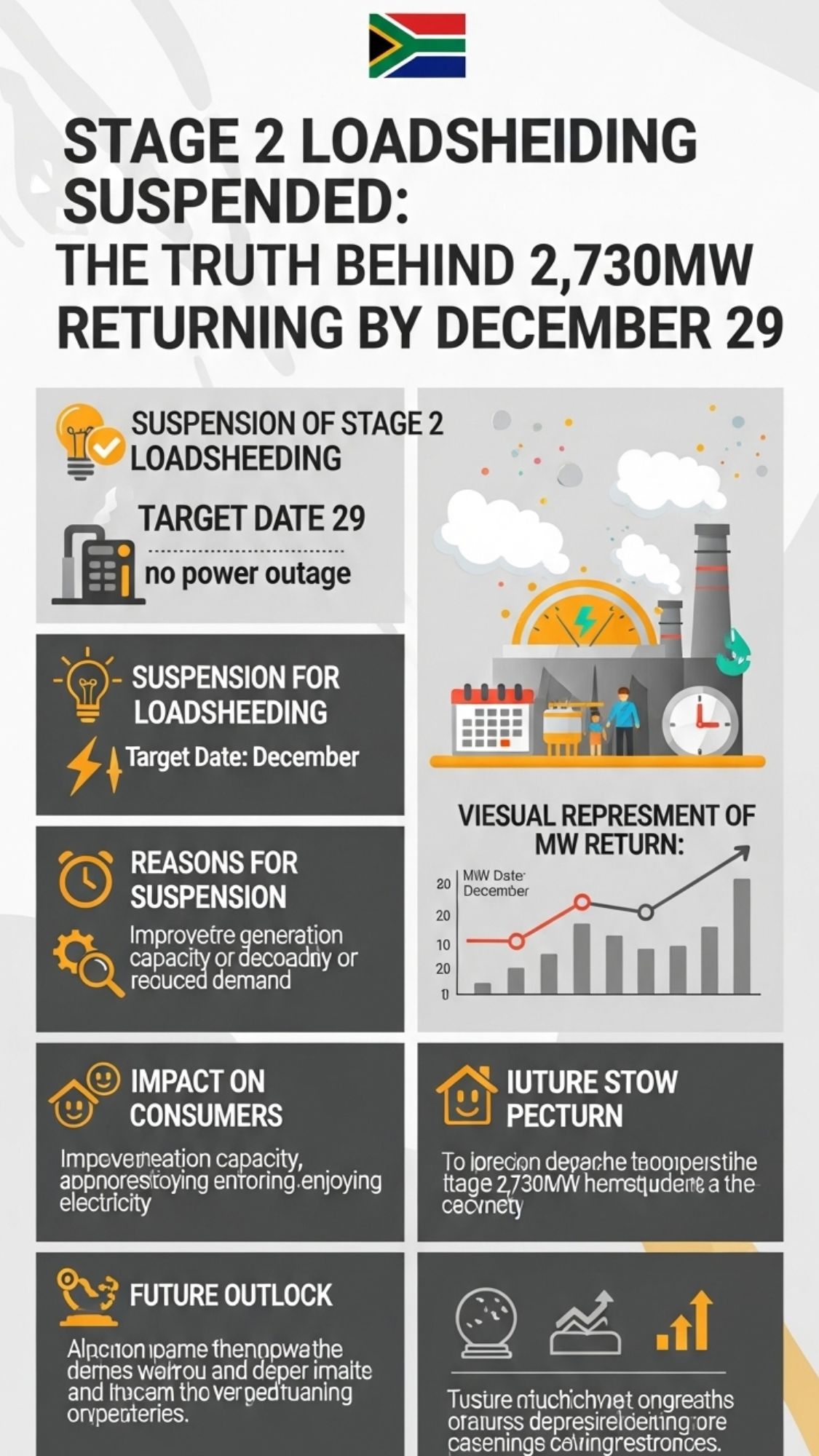
The suspension of loadshedding has delivered meaningful benefits to communities nationwide. Businesses, especially small and medium-sized enterprises, can now operate with greater efficiency and predictability. Households experience fewer disruptions, enabling more consistent access to electricity for everyday needs. The psychological relief of not anticipating frequent power cuts is significant, improving overall well-being. Students also benefit from uninterrupted access to digital learning resources. Collectively, these improvements contribute to a better quality of life for South Africans.
– Increased business productivity
– More stable household routines
– Improved educational continuity
Future Plans for South Africa’s Energy Sector
Looking forward, South Africa’s energy sector is set for continued transformation. Government strategies focus on diversifying energy sources, upgrading infrastructure, and encouraging renewable investment. These initiatives aim to build a resilient and sustainable electricity system capable of meeting rising demand. Priority areas include expanding grid capacity, promoting energy efficiency, and improving the integration of renewable power. Strong collaboration between public institutions and private partners will be essential to securing a stable and reliable energy future for the country.
– Policy development supporting renewable energy growth
– Infrastructure upgrades and grid expansion
– Strengthened public-private partnerships