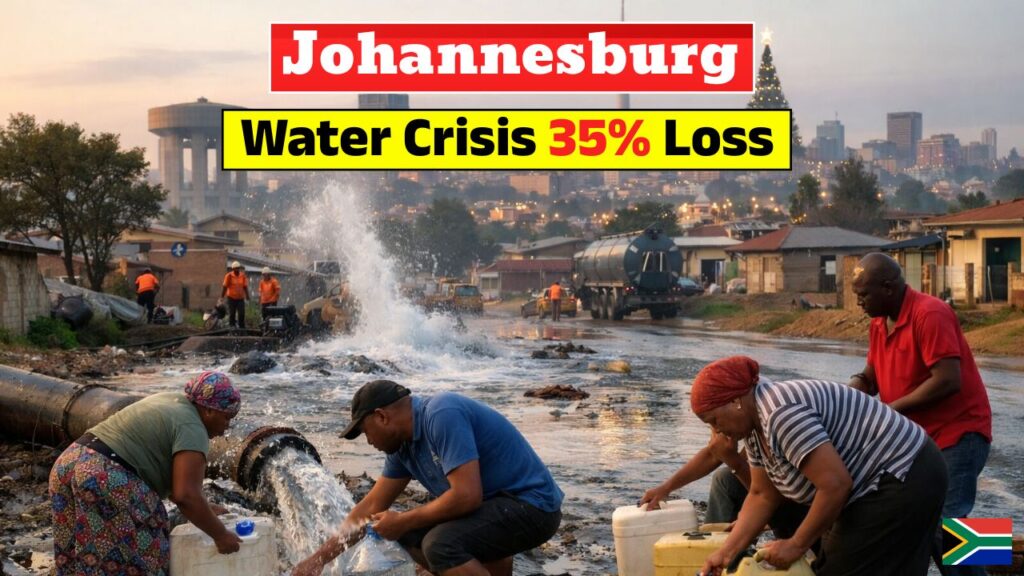
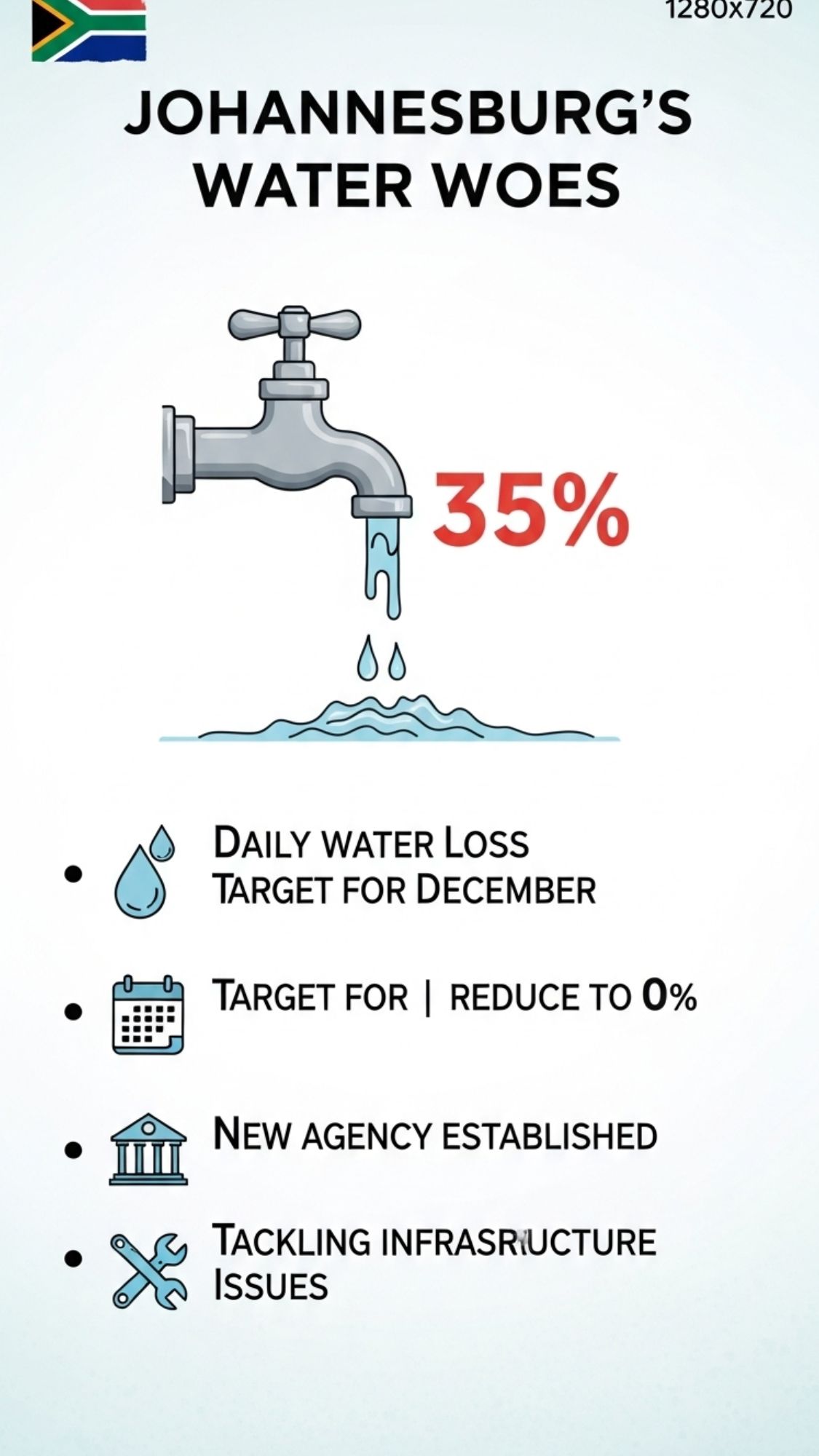
Johannesburg faces a serious water problem that puts its supply at risk. The city loses about 35% of its daily water because of leaks and failing infrastructure. A new agency has been created to fix this problem and has promised to make progress by December. The goal is to stop wasting water and make sure Johannesburg has enough for the future. As the city keeps growing the need to solve these water losses becomes more important for both the people who live there and the local economy.
Impact of Water Loss on Johannesburg
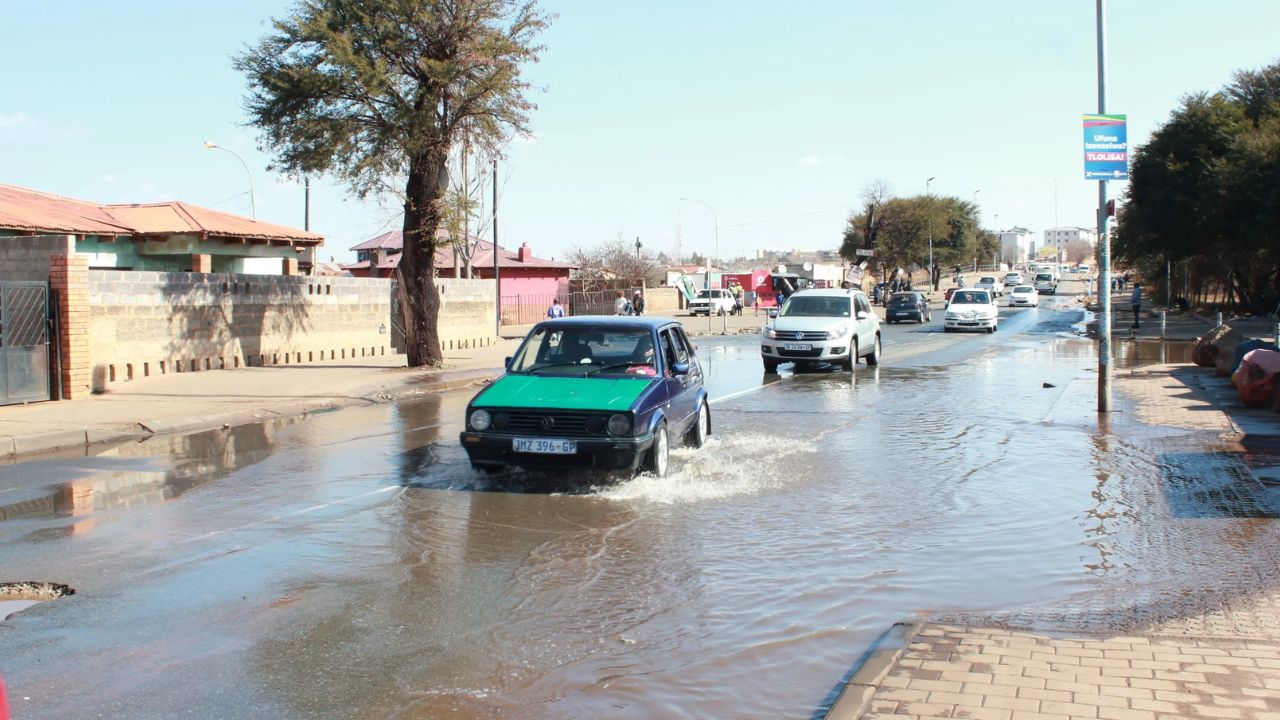
Johannesburg’s ongoing water losses have wide-ranging consequences that extend beyond daily household supply and into the city’s overall economic and environmental health. Large volumes of treated water are lost before reaching consumers, placing unnecessary strain on purification and distribution systems. This inefficiency increases operational expenses, which are eventually passed on to residents through higher utility charges. Environmentally, the loss is equally damaging, as wasted water could otherwise sustain parks, rivers, and local ecosystems. Tackling water loss is therefore both a financial priority and an environmental responsibility for the city.
Key Consequences of Water Loss
– Rising water and utility costs for households

– Increased pressure on water treatment and pumping facilities
– Environmental harm and ecosystem stress
– Lower water reserves for future demand
– Negative effects on urban and peri-urban agriculture
– Deterioration of public water infrastructure
– Difficulties in sustaining city parks and green spaces
Strategy to Combat Water Loss
The newly established agency has adopted a comprehensive strategy to reduce Johannesburg’s water losses. This approach combines modern technology with proactive infrastructure management and public participation. Advanced leak-detection tools will be used to locate faults faster, while routine maintenance schedules aim to prevent failures before they escalate. In parallel, public awareness campaigns will encourage responsible water use. Together, these measures are designed to create a resilient and sustainable water management system.
Planned Interventions and Outcomes
| Strategy | Details | Expected Outcome |
|---|---|---|
| Leak Detection | Deployment of sensors and AI-based monitoring | Quicker detection and repair of leaks |
| Infrastructure Maintenance | Routine inspections and system upgrades | Extended lifespan of water assets |
| Community Engagement | Awareness drives and educational workshops | Improved conservation behaviour |
| Policy Reform | Updating and enforcing water regulations | More efficient and fair water usage |
| Partnerships | Collaboration with private sector stakeholders | Shared responsibility for conservation |
| Investment in Technology | Funding innovation and research | Modern solutions to reduce water loss |
| Monitoring and Evaluation | Ongoing performance assessments | Transparency and accountability |
| Emergency Response | Rapid response plans for major leaks | Reduced losses during emergencies |
Community’s Role in Water Conservation
While institutional action is essential, residents also play a vital role in reducing water loss. Everyday choices made at household level can collectively lead to substantial savings. Promptly repairing leaks, adopting water-efficient fixtures, and supporting community conservation initiatives all contribute to protecting Johannesburg’s limited water resources. Active public participation strengthens the impact of city-wide water management efforts.
Practical Steps Residents Can Take
– Repair leaking taps and pipes without delay
– Install low-flow showerheads and faucets
– Keep showers under five minutes
– Use a broom instead of a hose for cleaning driveways

– Harvest rainwater for gardens and outdoor cleaning
– Run washing machines and dishwashers only with full loads
– Turn off taps while brushing teeth
Technological Innovations in Water Management
Technology plays a central role in addressing Johannesburg’s water challenges. Smart meters and automated leak-detection systems allow real-time tracking of consumption and rapid identification of losses. Water recycling and purification technologies further enhance supply by reusing wastewater safely. Strategic investment in these innovations can significantly improve efficiency and long-term water security.
Key Technologies and Their Impact
| Technology | Function | Benefits | Challenges |
|---|---|---|---|
| Smart Meters | Real-time usage monitoring | Early leak detection | High installation costs |
| Leak Detection Systems | Automated fault identification | Significant reduction in losses | Ongoing technical maintenance |
| Water Recycling Plants | Treatment and reuse of wastewater | Expanded usable water supply | Complex infrastructure needs |
| Rainwater Harvesting | Collection and storage of rainfall | Supplementary water source | Dependent on rainfall patterns |
| Desalination | Conversion of seawater to freshwater | Diversified water sources | High energy consumption |
Challenges Faced by Johannesburg’s Water Agency
Despite clear strategies, implementation remains challenging. Much of the city’s water infrastructure is aging and requires costly upgrades. There is also a shortage of skilled professionals needed to manage advanced systems. Limited budgets and administrative delays further hinder progress, highlighting the importance of efficient funding and streamlined decision-making.
Future Prospects for Johannesburg’s Water Management
Johannesburg’s long-term water security depends on sustained innovation, policy support, and public cooperation. As urban growth accelerates, demand will rise, making efficient and sustainable practices essential. Preparing for climate change impacts and building system resilience will be critical. With continued commitment, the city can move toward a more secure and sustainable water future.
– Promoting sustainable urban development
– Using renewable energy in water treatment
– Strengthening public-private partnerships
– Expanding water education programs
– Regularly reviewing water policies
– Planning for climate-related risks
Key Stakeholders in Johannesburg’s Water Solution
Resolving Johannesburg’s water challenges requires collaboration among multiple stakeholders. Local authorities, private companies, and community groups each contribute expertise, funding, and on-the-ground support. Through coordinated efforts, these stakeholders can implement effective solutions and ensure sustainable water management across the city.