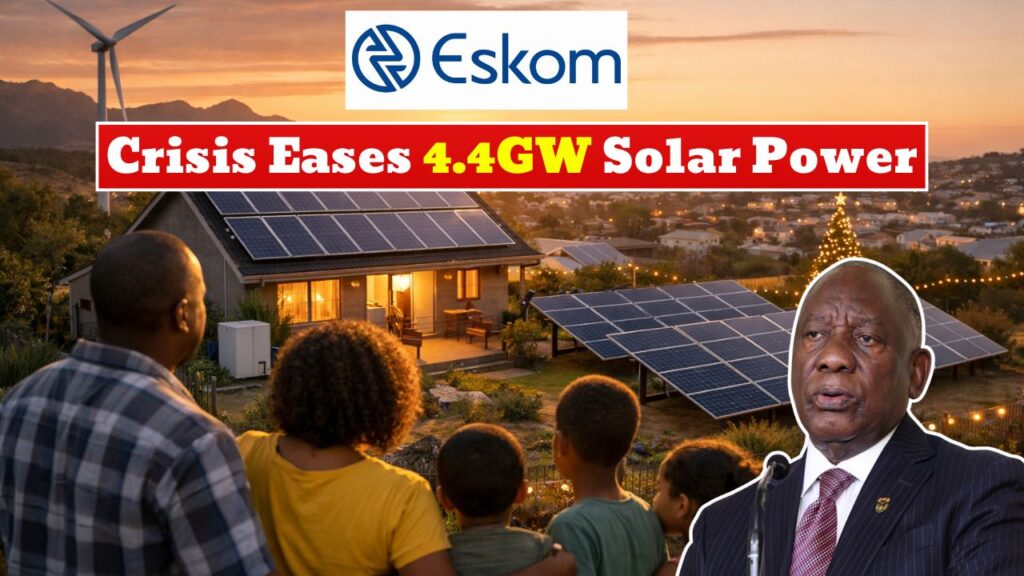
South Africa is experiencing a major change in its energy sector as the Eskom crisis starts to improve thanks to the growing adoption of solar power. With the country facing ongoing electricity shortages and load-shedding problems many households are choosing to disconnect from the national grid. In an impressive move toward energy independence residents have installed 4.4GW of solar power to supply electricity to homes throughout the nation. This shift demonstrates the determination and resourcefulness of South Africans while also representing an encouraging move toward a more sustainable and dependable energy future.
Solar Power: A Beacon of Hope for South Africa
Solar energy adoption in South Africa represents a promising solution during the current power crisis. The country receives plenty of sunshine throughout the year which makes solar power a perfect choice for meeting energy requirements. While Eskom continues to face challenges in supplying adequate electricity more people are choosing to install solar systems in their homes. People are making this change because they want dependable energy access & appreciate the positive environmental impact of renewable sources. Solar panels provide an effective way to decrease dependence on the national power grid and reduce the effects of load-shedding while delivering cleaner & more consistent electricity. Reducing carbon footprint Lowering electricity bills Providing reliable energy supply Enhancing property value

Empowering Communities Through Solar Initiatives
– Community Solar Projects Community solar projects allow multiple households to share the benefits of a single solar installation.

– These programs work well for people who cannot install panels on their own roofs due to shading or rental agreements.
– Participants subscribe to a portion of a larger solar array and receive credits on their electricity bills based on their share of the power generated.
– The shared approach reduces individual costs while expanding access to renewable energy.
– Neighborhoods can pool resources to build solar farms that serve entire communities.
– This model creates opportunities for apartment dwellers and homeowners alike to participate in clean energy production.

The Economic Impact of Solar Adoption
| Year | Installed Capacity (GW) | Jobs Created | Cost Savings (Billion ZAR) | CO₂ Reduction (Million Tons) |
|---|---|---|---|---|
| 2020 | 1.5 | 5,000 | 3.5 | 2.1 |
| 2021 | 2.2 | 7,500 | 5.2 | 3.2 |
| 2022 | 3.3 | 10,000 | 7.8 | 4.5 |
| 2023 | 4.4 | 12,500 | 10.4 | 5.9 |
Government’s Role in Solar Power Expansion
The South African government has been essential in supporting the growth of solar power across the country. Various policies and incentives encourage both private citizens and companies to adopt solar technology. The government offers tax credits and rebates along with grants to make solar power more affordable for everyone. Infrastructure improvements are also underway to better support the distribution of renewable energy throughout the nation. These efforts aim to reduce strain on the national electricity grid while promoting long-term sustainable development.
– The government provides tax incentives to make solar installations more attractive.
– It also helps facilitate financing options so that more people can afford to switch to solar energy.
– Regulatory processes have been streamlined to remove unnecessary barriers and speed up the adoption of solar technology.
Challenges and Future Prospects of Solar Energy
Solar power adoption is growing but several challenges remain. Many households cannot afford the high upfront costs of solar installations and require better financial support options. Adding solar power to the current energy infrastructure also creates technical difficulties. These obstacles can be resolved through innovation and ongoing investment. South Africa’s solar energy sector has a positive outlook as technology continues to improve & costs become more manageable for consumers.

| Key Area | Present Situation | Target by 2030 |
|---|---|---|
| Installed Power Capacity | 4.4 GW Operational | Expansion to 10 GW |
| Employment Generation | 12,500 Jobs Created | 25,000 Jobs Expected |
| Overall Cost Savings | 10.4 Billion ZAR Saved | 25 Billion ZAR Savings |
| Carbon Emission Reduction | 5.9 Million Tons Cut | 15 Million Tons Reduction |
| Energy Self-Reliance | Gradual Improvement | Major Independence Achieved |