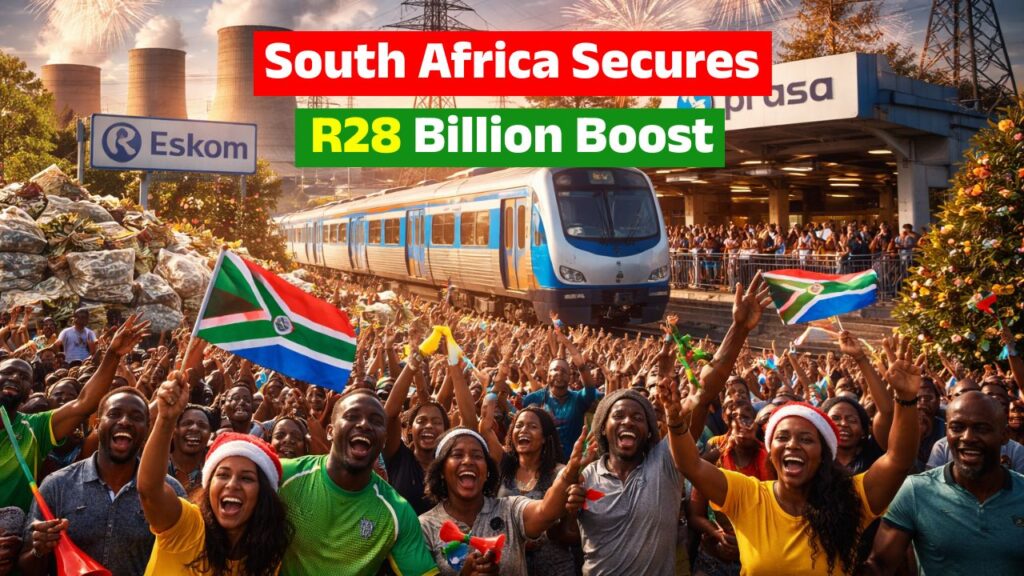
The South African government has obtained R28 billion in funding to support two essential state organizations: Eskom and PRASA. These entities are responsible for the country’s electricity supply and public rail transport systems. The money is intended to fix problems that have existed for many years and improve how these organizations operate and serve the public. South Africans have dealt with regular electricity blackouts and unreliable train services for a long time. This funding could make a real difference in addressing these daily frustrations. The government hopes the investment will lead to better power supply & more dependable public transportation for citizens across the country. Both Eskom and PRASA have struggled with serious operational and financial difficulties over the years. The funding represents an attempt to tackle these deep-rooted issues. Whether this amount of money will be sufficient to solve the complex problems facing both organizations remains uncertain. Many South Africans are waiting to see if this financial support will actually translate into visible improvements in their daily lives or if the underlying structural challenges will continue to hold back progress.
Understanding the Impact of the R28 Billion Investment
Securing R28 billion for Eskom and PRASA marks a major milestone for South Africa, but the real impact lies in how effectively these funds are deployed. The investment is designed to stabilise Eskom’s electricity supply while revitalising PRASA’s struggling rail network. For Eskom, a significant portion of the funding is earmarked for upgrading outdated infrastructure that has contributed heavily to persistent load shedding. Modernising power generation and distribution systems is expected to improve reliability. At the same time, PRASA plans to channel funds into refurbishing ageing train coaches and repairing rail infrastructure to rebuild trust in public transport.
– Reduction in load shedding incidents

– Improved train schedules and fewer delays
– Job creation across energy and transport sectors
– Stronger opportunities for economic growth
| Public Entity | Key Issue | Resulting Impact | Planned Improvement |
|---|---|---|---|
| Eskom | Outdated infrastructure | Recurring electricity disruptions | Large-scale infrastructure modernization |
| PRASA | Inadequate maintenance systems | Inconsistent and delayed train operations | Comprehensive refurbishment initiatives |
| Eskom | Weak financial controls | Rising debt burden | Stronger financial oversight and governance |
| PRASA | Vandalism and cable theft | Frequent service interruptions | Upgraded security and monitoring measures |
| Eskom | Heavy reliance on coal | Environmental and emission challenges | Shift towards renewable energy sources |
| PRASA | Outdated operational technology | Low efficiency and slow processes | Modern technology integration |
| Eskom | Generation capacity constraints | Ongoing load shedding | Expansion of generation capacity |
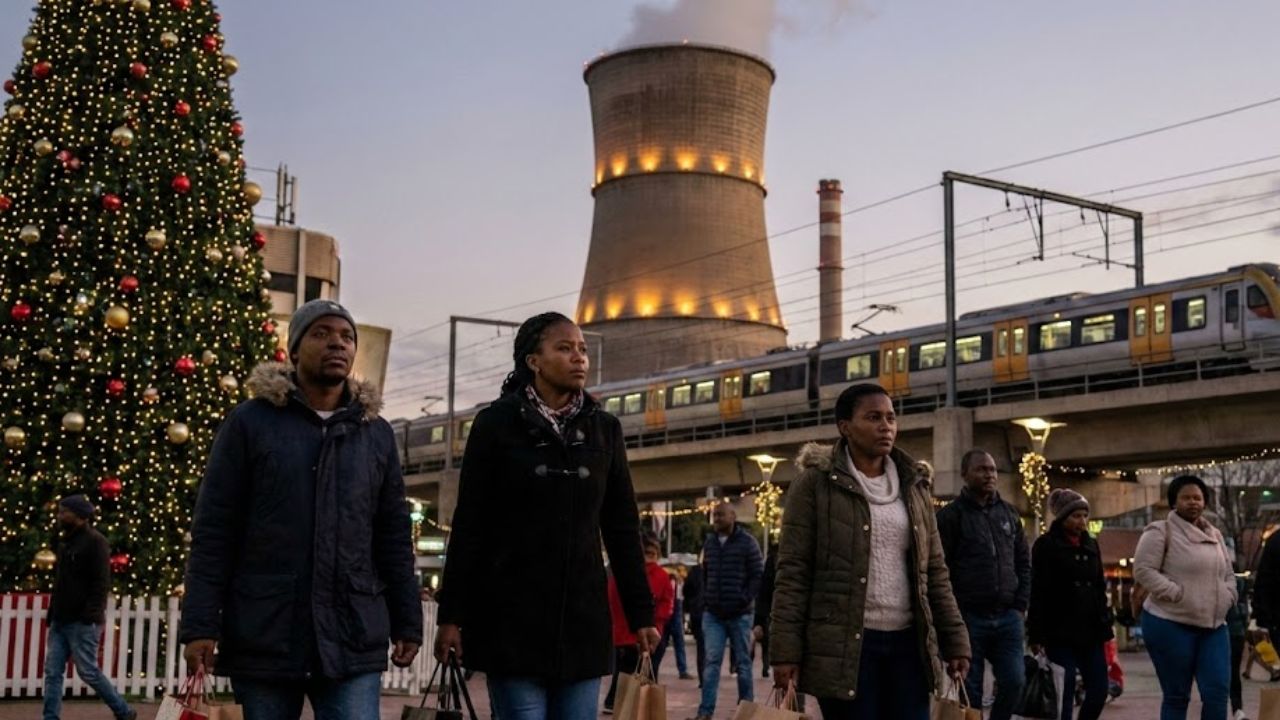
Challenges Facing Eskom and PRASA: Will the Funding Fix Deep Issues?
Although the R28 billion injection is a positive step, financial support alone cannot resolve the long-standing structural problems within Eskom and PRASA. Issues such as corruption, poor governance, and operational inefficiencies remain significant barriers to progress. For this funding to deliver lasting results, strong oversight mechanisms must be enforced. Transparent use of funds, strict accountability, and a shift towards performance-driven management will be essential. Without meaningful reform and cultural change, the impact of the investment may be short-lived.
– Strict auditing and compliance systems
– Regular public reporting on spending
– Appointment of skilled and ethical leadership
– Active stakeholder engagement
| Key Benefit | Revised Explanation | Affected Sector | Expected Long-Term Outcome |
|---|---|---|---|
| Stable Electricity Access | Fewer power cuts with a more dependable energy supply | Energy | Higher output and smoother industrial operations |
| Modernised Transport System | More reliable and punctual rail and transit services | Transport | Greater public trust and daily commuter satisfaction |
| Employment Growth | Creation of jobs through infrastructure renewal projects | Energy & Transport | Improved livelihoods and stronger local economies |
| Eco-Friendly Progress | Increased focus on clean and renewable energy sources | Energy | Long-term environmental protection and sustainability |
Potential Benefits for South Africans: Future Outlook
If managed effectively, the R28 billion investment could significantly improve daily life for South Africans. A more reliable electricity supply would support households, businesses, and industrial growth, while a functional rail system could reduce congestion and lower transport costs. Beyond immediate improvements, this funding has the potential to set a new benchmark for reforming state-owned enterprises. Long-term success will depend on building systems that are resilient, adaptable, and capable of meeting future challenges such as climate change and technological disruption.

– Expansion of renewable energy projects
– Adoption of smart rail technologies
– Ongoing skills development for workers
– Stronger international partnerships
| Performance Area | What Is Measured | Responsible Organisation | Revised Target |
|---|---|---|---|
| Power Outage Levels | Average monthly electricity disruptions | Eskom | Cut incidents by 50% |
| Rail Service Reliability | On-time arrival rate of trains | PRASA | Reach 90% punctuality |
| User Experience | Public satisfaction and feedback scores | Eskom & PRASA | Strong positive ratings |
| Financial Stability | Revenue improvement and debt control | Eskom & PRASA | Sustainable financial position |
| Environmental Responsibility | Carbon emission reduction levels | Eskom | 20% emissions cut |
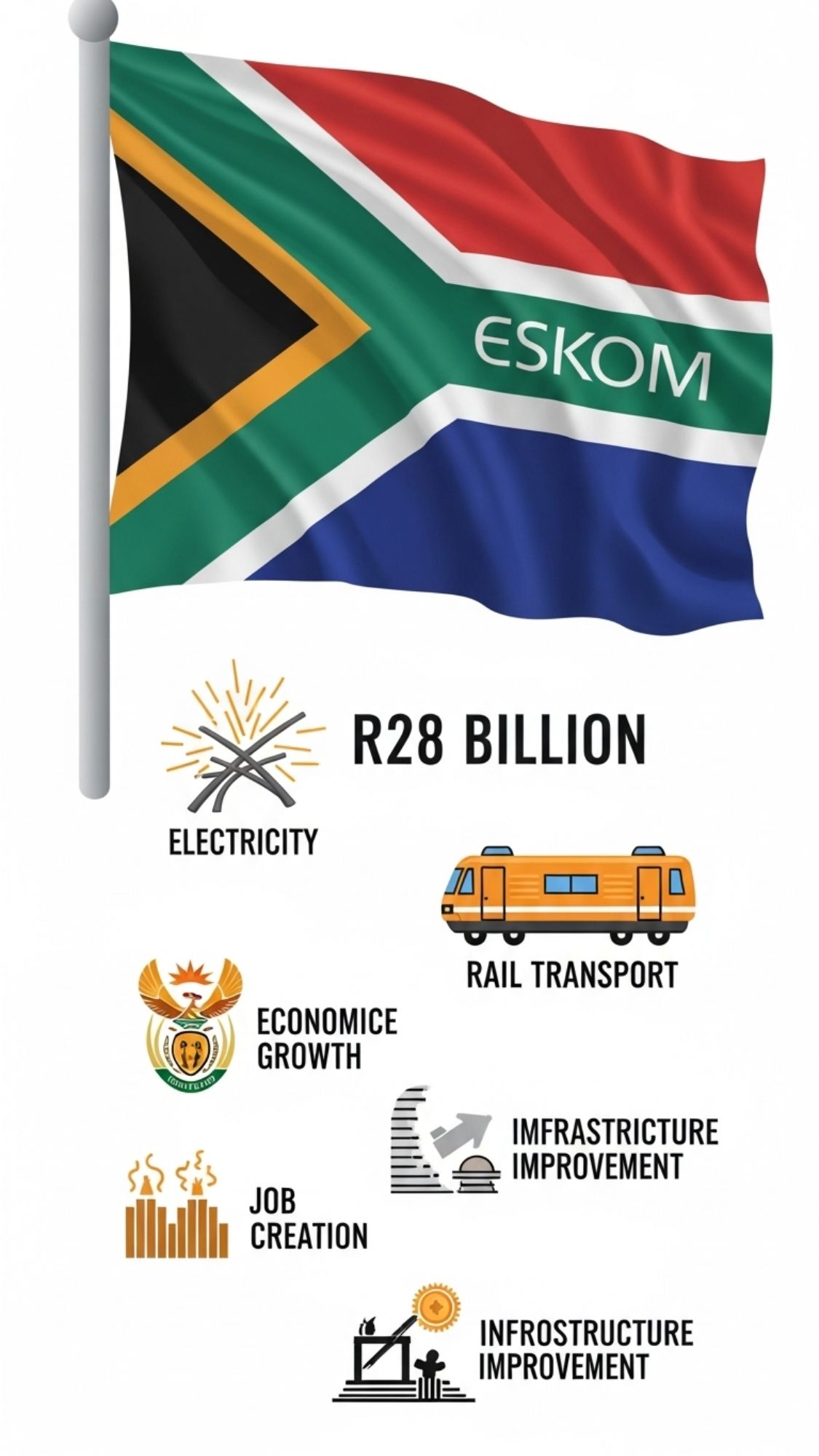
Measuring Success: Challenges and Opportunities Ahead
Revitalising Eskom and PRASA will be a complex journey filled with both obstacles and opportunities. Eskom must accelerate its transition towards cleaner energy sources while maintaining grid stability. PRASA faces the task of modernising operations and restoring public confidence through reliable service delivery. Success will depend on clear performance indicators, strategic planning, and consistent engagement with communities and private-sector partners. Aligning these efforts with national development goals will be critical to achieving sustainable transformation.
– Use of advanced technologies
– Community engagement initiatives
– Private-sector collaboration
– Strong policy alignment and execution
| Strategic Focus | Primary Goal | Responsible Entity | Implementation Period |
|---|---|---|---|
| Infrastructure Modernisation | Enhance and upgrade core facilities | Eskom & PRASA | 2023–2025 |
| Renewable Energy Expansion | Lower reliance on coal-based power | Eskom | 2024–2026 |
| Customer Experience Improvements | Deliver better and more reliable services | PRASA | 2023–2024 |
| Financial Stability Programme | Strengthen debt management and cash flow | Eskom & PRASA | Ongoing |
| Safety and Security Upgrades | Safeguard infrastructure, staff, and commuters | PRASA | Immediate rollout |