
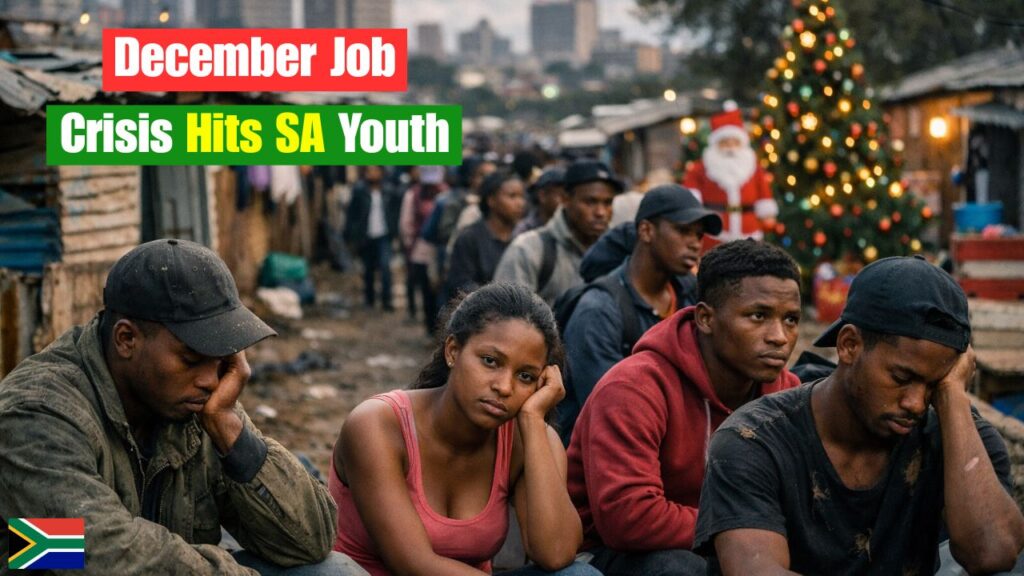
In December 2025 South Africa struggled with a severe unemployment problem that showed just how serious joblessness had become across the country. Young people were hit hardest by this economic challenge even though both government and businesses had tried different ways to fix the problem. The nation has dealt with high unemployment for years but new data revealed a troubling rise in jobless rates for people between 15 & 24 years old. With the economy growing slowly many young South Africans found themselves stuck in a difficult pattern of poverty and few chances to improve their lives while constantly looking for work. This crisis needs immediate action to create lasting solutions. Young people need access to proper training and real job opportunities that can help them build stable careers and escape unemployment.
Unpacking the December 2025 unemployment data
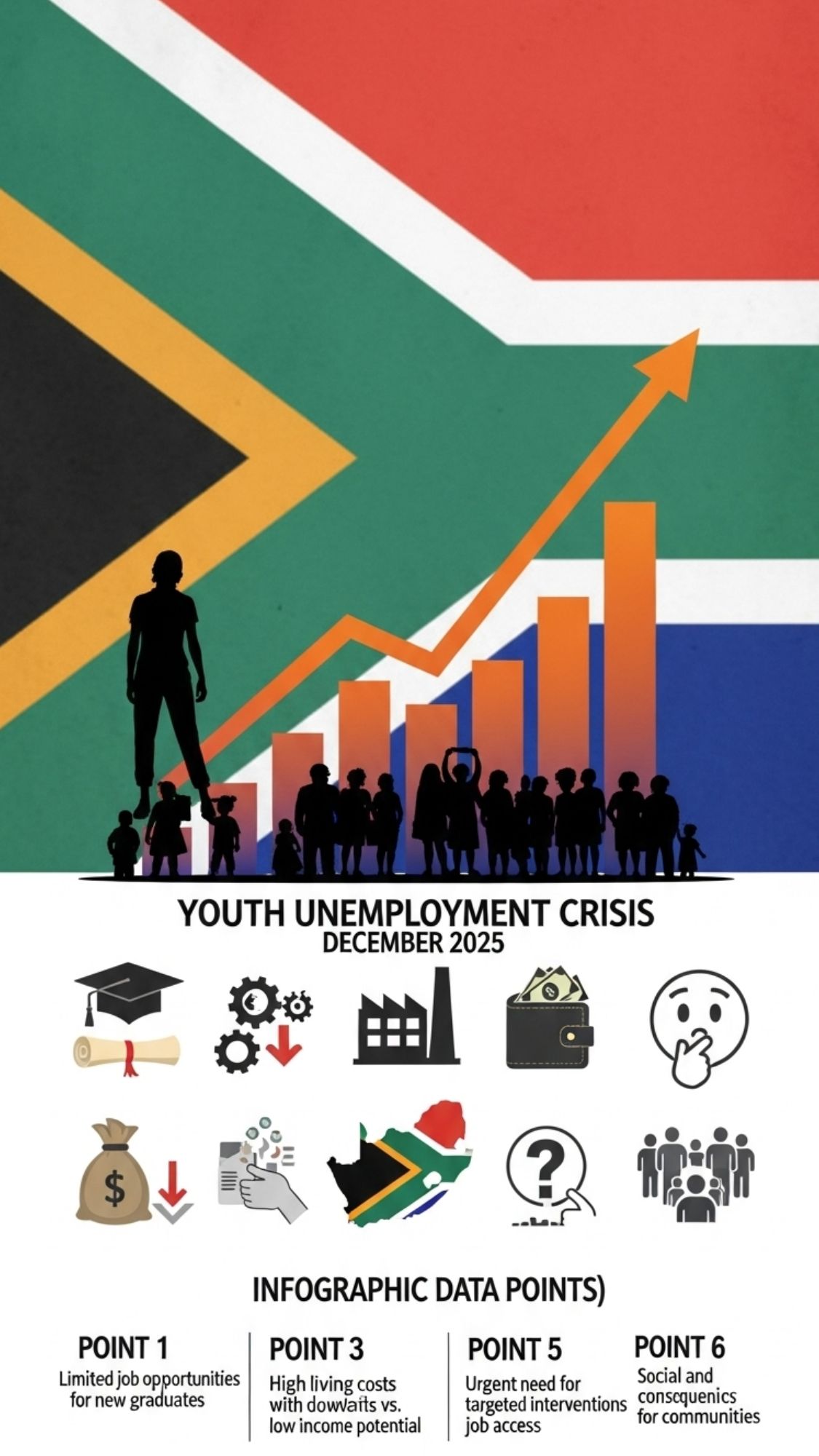
The unemployment figures from December 2025 show serious problems in South Africa’s job market. The national unemployment rate has reached 35% according to official statistics. Young people face the worst situation with more than 60% unable to secure employment. The crisis stems partly from a gap between what young job seekers can do and what employers actually need. Many graduates and school leavers lack the practical skills that companies are looking for. The economic downturn has made things worse by reducing the number of available positions across most industries. Young South Africans bear the heaviest burden of this employment crisis. Many find it extremely hard to move from their studies into actual work. This difficult transition period often stretches on for months or even years. The extended unemployment damages their future career opportunities and leaves lasting effects on their professional development. The situation creates a cycle where inexperience prevents young people from getting jobs while unemployment prevents them from gaining that crucial experience. Companies remain hesitant to hire candidates without work history even for entry level roles. This standoff leaves a generation of young workers stuck on the sidelines of the economy.
– Mismatch Between Education Systems and Job Market Needs There is a clear disconnect between what educational institutions teach and the practical skills employers require, leaving many graduates unprepared for real-world roles.

– Limited Availability of Quality Education and Skill Training Access to affordable, high-quality education and vocational training remains uneven, preventing many individuals from gaining relevant and employable skills.
– Economic Slowdown Impacting Job Creation Weak economic growth has reduced the number of new jobs being created, making it harder for job seekers to find stable employment opportunities.
– Shortage of Internships and Entry-Level Opportunities Many employers prefer experienced candidates, resulting in fewer internships and beginner roles that help young people enter the workforce.
– Intense Competition for Limited Job Openings A growing workforce combined with fewer vacancies has increased competition, making job searches longer and more challenging.
– Inadequate Government Programs and Employment Support Existing policies and initiatives often fall short in addressing unemployment, skill development, and long-term workforce planning.
– Challenges to Entrepreneurship and Self-Employment High startup costs, limited funding, and regulatory hurdles discourage individuals from pursuing self-employment or starting small businesses.
– Persistent Social and Economic Inequalities Disparities based on income, location, and background continue to restrict equal access to education, jobs, and economic mobility.

Why South African youth are the hardest hit
Young people in South Africa struggle with unemployment for several interconnected reasons. The education system does not adequately prepare students for the workplace. Schools often fail to teach practical skills that employers actually need. Many students graduate without proper qualifications or hands-on experience that would help them secure jobs. The country’s economic situation makes the problem worse. Businesses operate in an environment with high costs and constant uncertainty. This discourages companies from expanding their workforce or hiring new employees. When businesses cannot grow confidently they naturally limit their recruitment efforts. South African youth also face significant family pressure to provide financial support. This cultural expectation makes unemployment especially damaging for young people. They feel the weight of letting down their families while struggling to find work. These factors combine to trap young South Africans in a difficult situation. Without job experience they cannot get hired. Without education reform the skills gap continues. Without economic improvement businesses remain hesitant to employ more workers. This creates a persistent cycle where unemployment leads to poverty & poverty makes escaping unemployment even harder. Breaking free from this pattern requires addressing multiple problems simultaneously rather than focusing on just one aspect of the crisis.
| Age Category | Unemployment Level | Main Challenges | Suggested Interventions |
|---|---|---|---|
| 15–19 Years | 65% | Minimal exposure to real-world work environments | Structured internships and school-to-work programs |
| 20–24 Years | 60% | Mismatch between education and industry needs | Skill-based and vocational development courses |
| 25–29 Years | 45% | Slower economic growth affecting hiring | Public and private sector job creation plans |
| 30–34 Years | 30% | Intense competition for limited roles | Support for startups and self-employment |
| 35–39 Years | 20% | Restricted availability of suitable positions | Hiring incentives and business expansion benefits |
Government and private sector responses to unemployment
Tackling the Unemployment Challenge The government & private businesses have started taking action to address the growing unemployment problem. The South African government created programs like the Youth Employment Service (YES) to help young people find jobs and gain work experience. They are also working to change the education system so it matches what employers actually need. Private companies are doing their part too by spending more money on training programs and working with schools and colleges to help people learn the right skills. But these efforts might not be enough yet. The unemployment crisis is still very big and continues to grow faster than the solutions being put in place.

– Implementation of the Youth Employment Service (YES)
– Investment in skills development and training
– Reforming the education curriculum
– Encouraging public-private partnerships
Exploring innovative solutions to tackle youth unemployment
South Africa’s youth unemployment problem requires innovative solutions that tackle its underlying causes. Encouraging entrepreneurship among young people offers a promising path forward by giving them the skills & resources to launch their own businesses. This approach creates employment opportunities while boosting economic growth at the same time. Vocational training programs need to be more widely available to provide young people with practical skills that match what employers actually need. The digital economy and new technologies create additional job opportunities by opening up fresh markets and demanding different skill sets. When South Africa builds a culture that values innovation and entrepreneurship it gives young people the tools to become productive economic participants who can shape their own futures and contribute meaningfully to the country’s development.
| Program Initiative | Revised Objective |
|---|---|
| Entrepreneurship Development Training | Support young individuals in launching and sustaining their own enterprises |
| Skill-Based Vocational Education | Equip learners with hands-on, job-ready technical abilities |
| Digital Skills & Literacy Programs | Prepare youth for employment in technology-driven and digital sectors |
| Public–Private Sector Collaboration | Expand employment pathways through joint industry initiatives |
| Labour & Economic Policy Reforms | Promote a business-friendly environment that supports job growth |
Engaging the youth in economic recovery
Getting young people involved in economic recovery is essential for solving the unemployment problem. Young people can become active participants in the economy through several practical methods. One approach is to encourage entrepreneurship by making it easier to start new businesses, which creates more jobs. Another strategy involves offering mentorship & networking that connects young people with experienced professionals to improve their career opportunities. Also, putting more resources into education and skills training helps prepare young South Africans for available jobs. When youth are included in economic recovery plans South Africa can develop a stronger economy that takes advantage of what young people have to offer. Support young entrepreneurs Strengthen mentorship initiatives Fund education and skills programs Make startup capital more accessible
Role of technology in addressing unemployment
Technology serves as an important tool in fighting unemployment by generating fresh work options & boosting efficiency in various sectors. Online platforms help people access job listings and make it simpler for young workers to secure positions. Also, technology-based fields like IT & online business are growing quickly and need workers with modern abilities while providing numerous career paths. When South Africa includes technology in its schools and training systems it can get young people ready for a digital workplace and give them the tools they need for success in modern industries. This strategy tackles joblessness while also setting up the nation for stronger economic development in the years ahead. Grow digital skills training Help new tech companies Add technology to schools Encourage online hiring websites
Breaking the cycle of youth unemployment
South Africa needs long-term solutions to solve youth unemployment. The government must work together with businesses and schools to help young people find jobs. Education programs should focus on teaching skills that employers actually need. The country should also make it easier for companies to hire young workers by removing unnecessary rules and offering financial benefits. These changes will give young South Africans better opportunities to work and help grow the economy.
Impact of socio-economic factors on unemployment
Social & economic conditions play a major role in unemployment levels especially for young people. When poverty and inequality are widespread fewer individuals can access quality education and the tools they need to find work. Also young people from unstable homes or those without strong community connections often struggle more to get employed. Solving these social & economic problems is essential to bringing down unemployment numbers. This means putting money into building stronger communities making sure everyone can access education equally and offering support services to those who need them. When South Africa addresses these core issues it can build a fairer society where everyone has a real chance to succeed.


